Skip to content
Share your Impact Story

Humanize Learning: How to Thrive in the New School Year

Starting the new school year strong is more than a routine tune-up—it’s an opportunity to humanize learning in transformative ways that produce positive, lasting impact. As the Chief Learning Officer at Thr​ively and someone who has spent nearly 25 years leading and learning in K-12 education—from classroom teacher to assistant state superintent—the start of the school year has always been an exciting time for me. As we begin the 2025-2026 school year, I am also excited to share insights on a few research-based (and practitioner-approved)  ways to start this academic year strong. 

Thrively was founded on a core philosophy that every child has a genius and they deserve to thrive. We begin with  “What’s strong with you?” Not what’s wrong with you. Our core mission is to bring a paradigm shift to education through asset-based learning; we do this by working with educators across the country to create strengths-based, joyful and hopeful learning environments that increase student academic outcomes.

Humanize Learning: Begin with “What’s Strong With You?”

Humanizing learning begins with understanding each student’s unique strengths, aspirations, and goals. Begin by asking students, “What’s strong with you?” This question shifts focus from shortcomings to strengths, creating an environment where students are celebrated for their capabilities. During my time as an elementary school principal, I hosted “Strengths Days,” where students showcased talents through performances, exhibitions, and workshops. Students lit up with pride, and the energy it brought to the school was palpable.

1. Know Every Student by Name, Strengths, Aspirations, and Needs

An essential first step in starting strong is knowing every student’s name, unique strengths, and personal goals and aspirations. This isn’t merely about collecting data—it’s about being genuinely curious and committed to understanding each individual’s contribution to the collective classroom and school culture. As a high school English teacher, I dedicated the first few weeks of the school year to engaging in one-to-one conversations with my students (yes, all 150+ of them), discovering what made them ‘tick’. Beyond fostering trust and rapport, it helped tailor lessons to better engage learners.

2. Create Inclusive and Safe Learning Environments

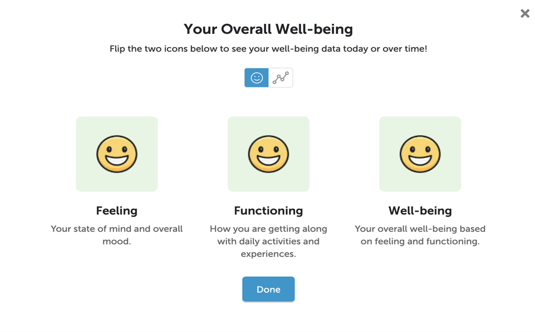
Creating a psychologically safe environment is foundational for learning. Inclusive spaces should prioritize student well-being. Real-time wellness check-ins can be critical in this process. For example, during my time as a superintendent of schools (this was during the start of the COVID-19 pandemic), we implemented daily wellness check-in sessions that gave K-12 students space to name, explain and explore their feelings and concerns. This approach fostered an atmosphere where students felt heard and respected, leading to a more engaged and  human-centered learning community.

3. Instill Hope through Goals, Agency, and Pathways

Hope isn’t just a feeling; it’s a cognitive trait that we can measure and nurture by helping students identify and pursue their goals. During my time supporting state-identified Priority and Focus schools as regional director of education, a student-led initiative called “The Pathways Project” was designed to enable students to create vision boards mapping out their academic and personal aspirations. Encouraging students to imagine and articulate their dreams and goals instilled in them a sense of purpose and agency, setting a tone of optimism and possibility for the rest of the year.

4. Monitor Student-Teacher Relationships: Connection Over Programs

School culture isn’t created by programs; it’s built by individuals who feel connected to a community. Deepening these connections should be intentional and systemic. As the chief academic officer of a 20,000 student school district, I introduced “Connection Cards,” where teachers noted and shared positive observations about each student weekly. This not only heightened awareness of student accomplishments but also provided students with a written acknowledgment of their contributions, strengthening teacher-student relationships.

There is a quote by Maya Angelou: “Do the best you can until you know better. Then, when you know better, do better.” I am reminded of this quote because during each phase of my professional career I implemented practices and resources to humanize learning (or what I knew at the time about this work); however, when I reflect on these experiences, I wonder how my actions and the actions of my colleagues would have been amplified and maximized if we had a systemic way to operationalize our efforts.  

What if there was a way to operationalize this work, to be provided with targeted resources to act intentionally, and to engage in professional learning designed to give you confidence to say, “we see and know everyone in our learning community.”

Join the Thrively ‘Connections’ Community of Practice

I invite you to join the Thrively  ‘Connections’ Community of Practice. As a participant you’ll gain access to exclusive resources, collaborative opportunities with innovative educators from across the country, and a learner-centered platform for professional growth—all designed to humanize learning and to help you create the conditions to start and stay strong this school year! 

Interested in learning more? Explore the following resources and contact me directly at marion@thrively.com

Your partner in humanizing learning,

Dr. Marion Smith Jr. 

Chief Learning Officer 

Every child has a genius and they deserve to thrive. 

Finding Hidden Strengths & Passion: Uncovering the Power Within Every Student

Children-Sitting-In-Class-Strengths

When we talk about discovering a child’s strengths, the term “hidden” may not always be the most accurate. Often, strengths are simply not given the right opportunity to shine. In many educational settings, students are primarily viewed through the lens of their weaknesses—what they need to improve on—rather than what they excel at. This focus on deficits can stifle creativity, motivation, and passion, leaving strengths buried beneath the surface.

So what can educators do? First, have all your students tell you about their hobbies or other things they really like to do or are very good at. You can do that in a homeroom or advisory, or you can work it into a language arts or other assignment. Typically, their classmates also are unaware of their assets.

Understanding Strengths: The Foundation of Self-Discovery

Strengths are not just skills; they are innate talents, interests, and characteristics that make each student unique. For many students, discovering these strengths can be life-changing, giving them a sense of purpose and direction. Unfortunately, too often, strengths go unnoticed or remain undeveloped due to a lack of opportunity for students to explore them.

The traditional school model tends to focus on remediation—helping students “fix” their weaknesses rather than cultivating their strengths. This creates a one-dimensional view of student potential and overlooks the rich diversity of abilities that children possess.

Why Strength Assessment Matters ?

To help students identify their strengths, educators can use strength assessments like Thrively’s Strength Assessment, which helps students uncover talents they might not even be aware of. These assessments allow students to take a deep dive into their abilities, identify their passions, and gain confidence in their unique qualities. Thrively.com offers a robust platform for educators to get a clear picture of each student’s strengths, making it easier to create personalized learning plans that cater to each individual. 

By incorporating strength assessments into your classroom routine, you can foster an environment where students feel valued for who they are, rather than just for how well they perform in traditional subjects. The Thrively Strength Assessment helps make this process simple and effective, ensuring every child’s unique genius is recognized.

How Educators Can Help Students Uncover Their Strengths

There are several practical steps educators can take to help students discover their strengths and passions. Here are a few strategies that can be easily implemented:

1. Engage students in discussions about their hobbies and interests

Start by asking students to share their hobbies, activities, or things they are passionate about. This can be done during homeroom, advisory periods, or even integrated into academic subjects like language arts. By discussing hobbies and interests, students can begin to recognize that their strengths extend beyond the classroom.

It’s important for students to realize that their talents are not limited to academic skills. Whether it’s playing a musical instrument, sports, cooking, or graphic design, every child has something they are good at. These passions often reflect deeper strengths that, when nurtured, can lead to greater self-confidence and personal growth.

2. Incorporate strengths into classroom assignments

Encourage students to explore their strengths through creative assignments. For instance, have them write an essay or create an art project about a time when they discovered something surprising about themselves or others. This reflective process helps students gain clarity about their own talents and can reveal strengths they may not have realized they had.

Asking students to reflect on moments when they surprised themselves or others allows them to see their strengths in a new light. These experiences can be tied to personal achievements, creative problem-solving, or acts of kindness—each of which reveals a different facet of their potential.

3. Encourage conversations with parents or guardians

Sometimes, students may not recognize their own strengths because they haven’t had the opportunity to reflect on them with trusted adults. Encourage students to talk to their parents or guardians about their childhood interests and talents. Parents often have insights into a child’s strengths that the child may have forgotten or overlooked.

Help students develop a short story or presentation about their hidden talents, hobbies, or aspirations. This not only gives them a chance to reflect on their strengths but also helps them reconnect with past passions that may have been sidelined over time.

The Role of Thrively in Strength Assessment and Discovery

Thrively offers a comprehensive platform that helps educators better understand each student’s strengths, passions, and potential. Through Thrively’s Strength Assessment, educators can gain valuable insights into a student’s innate abilities, providing a more holistic picture of the child’s potential.

By using Thrively’s assessment tools, teachers can:

  • Tailor lesson plans to better suit the individual needs and strengths of each student
  • Encourage students to explore careers or hobbies that align with their natural talents
  • Foster a positive and supportive environment that celebrates personal growth

At Thrively, we believe that every child has a genius waiting to be discovered. When students are given the opportunity to uncover and develop their strengths, they are empowered to pursue their passions with confidence and enthusiasm. Thrively’s mission is to ensure that all children can thrive by recognizing and nurturing their unique abilities.

Conclusion: Unlocking the Power of Strengths

The journey to discovering and nurturing strengths is an ongoing process. By using strength assessments, fostering open discussions about passions and hobbies, and creating a supportive classroom environment, educators can help students uncover their hidden talents and passions.


More About Thrively

Thrively helps educators to better know their students, attend to their well-being, instill hope, and teach essential life skills. At Thrively, we believe that Every child has a genius and deserves to thrive!

El Centro Elementary: Making a Difference in Students’ Lives

Celebrating El Centro Elementary School District!

We’re excited to highlight the incredible work happening at El Centro Elementary School District in El Centro, California! They have made significant progress in their 7th and 8th grade Advisory classes this school year. They achieved this by integrating Thrively into their curriculum.  With Thrively resources, they’re building positive student learning identities. They are conducting well-being check-ins and fostering hope. They are also guiding students on their paths to future careers.  Awesome job El Centro!

McCabe Elementary School’s Inspiring Career Fair

McCabe Elementary School hosted a Career Fair at the end of last year. The focus was on student strengths and personality types. In preparation for the event, 7th and 8th-grade students completed Thrively’s Strength Assessment. They also completed the RIASEC survey to identify their top career interests. McCabe used the data from these assessments. They invited professionals from fields that closely matched their students’ most popular interest areas. 

The majority of students identified with Enterprising, Investigative, and Social personality types. The fair included a diverse group of professionals as a result. These professionals were bankers, sales managers, real estate agents, nurses, environmental specialists, and social workers. By aligning the presenters with the students’ interests, McCabe ensured that the event was both relevant and engaging. 

The school went the extra mile to make the experience meaningful. In their morning advisory class, students received their Strengths Certificates along with Cornell Notes to use during the presentations. This thoughtful preparation helped students connect with the speakers and provided a structured way to think about what they learned. At the end of the day, students completed reflection forms. They considered how their specific strengths and personalities help them succeed in the careers they found most intriguing.

McCabe took the time to truly understand their students and their aspirations. They created a Career Fair experience that was informative. It was also deeply personalized. 

Some of the students’ responses: 

“These strengths can be used to make myself successful in the career. I can learn information fast. I am creative.”

“Being athletic can help me succeed in Reach 9. I enjoy flying, and it requires strength.”

“I could use my compassion to make sure that they will stay happy. I could use my patience to take the time to help them. I could use social justice to stand up for them. I could use my flexibility to help multiple people at a time. I will use memory to remember how to help them.” (student interested in Social Work)

“The Verbal one shows how it would be nice for me to have a good language and grammar as that would help in advertising when I start my business. Independence shows how I would not depend on someone to start the business for me and I can start from scratch. The drive shows my determination.”

“I can use resilience in becoming a realtor.”

“Memorization is key for any job in the medical field.”

“My personality can fit the types of career I found most interesting because I like talking and being around others.”

“My personality might fit the types of careers I found more interesting because the jobs are very exciting and different every day for variety which I would enjoy.”

“I like comforting people, so being a counselor would be fun, as I enjoy making people feel better.”

Ms. Hester stated, “I think the best part of the experience was students seeing their unique strengths printed and having them with them. This happened while they learned about different career pathways. It makes their future more relevant. They connect career details with how their natural talents can lead to success in those careers. I think it was also very helpful to have data. This data informed our decisions about who to invite to speak to our students.”

Thank you, McCabe Elementary, for your unwavering dedication to your students. You are truly making a lasting impact on their lives and helping them envision a bright future!

Ready to Empower Your Students?
Discover Thrively Today
Help your students find their strengths and create a brighter future with Thrively’s personalized learning. Click here to get started!